
Пеший поход на Ай-Петри
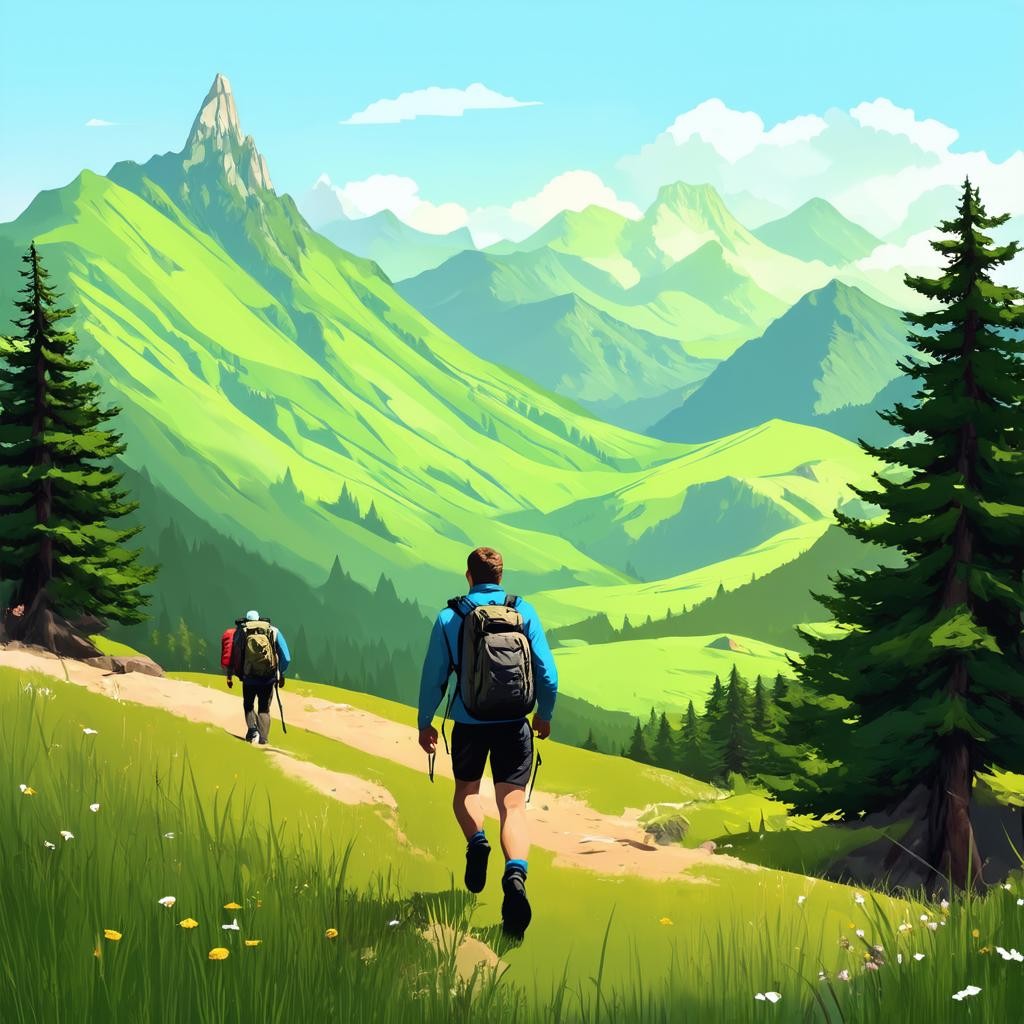
Почему пеший подъем — это ваш самый выгодный билет
Представьте, что вы стоите у нижней станции канатной дороги. Вы видите цены, подсчитываете стоимость для всей семьи или компании друзей, и сумма получается весьма внушительной. А теперь представьте другой вариант: вы тратите эти деньги не на несколько минут в воздухе, а на целый день настоящего приключения, которое останется с вами навсегда. Пеший поход — это не про экономию в ущерб впечатлениям. Это про то, чтобы вложить каждый рубль в собственные эмоции и силу, а не в билет на транспорт.
Вы почувствуете совершенно иную ценность потраченного времени и средств. Вместо очереди и быстрого подъема вы получаете hours of immersion in nature, gradual change of landscapes, and a sense of genuine achievement. The cost here is transformed from a simple payment into an investment in your own story, health, and a collection of unique moments that no cable car ride can provide.
And let's talk about the main economic advantage: predictability. The price of the cable car is fixed and can change, and during the peak season you risk simply not getting on it. Your hiking budget is almost entirely under your control. You decide where to save and where to allow yourself a little extra, without being tied to someone else's price list.
Real Cost Breakdown: Where Your Money Actually Goes
To understand the true benefit, you need to compare two budgets. For the cable car option, you pay for the ticket itself, then usually for transport to the lower station (taxi or bus), and almost certainly for standard excursions and cafes at the top. The amount grows like a snowball, and each item is a fixed fee imposed by external services.
Your hiking budget looks fundamentally different. The main expenses here are high-quality and comfortable shoes (but they will serve you for more than one trip), a supply of water and food from a regular store, and possibly a transfer to the starting point of the trail. You are not paying for the fact of ascent, but for equipment and provisions. And this is a key difference: these things remain with you and work for you in the future.
You will clearly see that the bulk of the funds are not lost, but transformed. A backpack, a thermos, a trekking pole — these are not one-time expenses, but a contribution to your future autonomous adventures. You are essentially building your personal tourist infrastructure, which will make many more trips economically profitable.
Hidden Expenses That Are Easy to Miss
Now let's talk about what is often forgotten when planning. When you choose a standard excursion, you seem to be paying a fixed price. But at the top, you will inevitably be tempted by souvenirs, expensive drinks at the viewing platforms, and additional photo services. These are small, spontaneous expenses that add up to a significant amount by the end of the day. In a hike, you are largely protected from this — your lunch is in your backpack, and the best photos are the ones you take yourself.
Another hidden cost is time. Standing in line for the cable car for several hours at the peak of the season — that's lost time that could have been spent on the trail, enjoying the scenery. You are essentially paying money to wait. In a hike, every minute is part of the journey. Your time is not wasted; it is filled with movement and discovery.
Don't forget about the flexibility cost. A purchased cable car ticket ties you to a specific schedule. If the weather turns bad or you get tired, it's hard to change plans. Your independent hike allows you to adjust the route, turn back, or, conversely, extend the pleasure without losing money on unused tickets or pre-paid guides.
How to Form a Smart and Economical Backpack
Your main task is to avoid unnecessary expenses on the route itself. And this starts with proper packing. The principle is simple: take everything you need, but not a gram more. Excess weight will make the journey difficult and can lead to the need for unplanned rest stops or even force you to abandon the hike.
- Water and snacks: Buy water in large 5-liter bottles in the city and pour it into several small ones. Take nuts, dried fruits, energy bars, and chocolate from regular supermarkets. This is many times cheaper than buying the same things at tourist centers or on the plateau.
- Clothing system: Don't buy specialized expensive equipment for your first hike. Use the layering principle: a synthetic T-shirt, a fleece jacket, and a windbreaker/raincoat from your existing wardrobe. The main thing is comfort and protection from wind and possible rain.
- First aid kit: Assemble it yourself from a pharmacy. Plasters, bandages, antiseptic, pain relievers, and any personal medications. A ready-made tourist first aid kit is often overpriced and may contain unnecessary items.
- Navigation: Download maps to your phone in advance (for example, in Maps.me or 2GIS). This is free and will save you from the cost of a guide or the risk of getting lost. Take a power bank to keep your device charged.
Choosing a Route: Where Your Savings Begin
The very choice of the starting point already determines your transportation costs. The most popular and scenic trails, such as the Taraktash Trail from the Wuchang-Su waterfall or the path from the Uchan-Su waterfall, usually start from points accessible by regular bus from Yalta or Bakhchisaray. You will spend significantly less on public transport than on a taxi to the cable car station.
You will feel real freedom when you realize that you are not tied to a schedule. You can start early in the morning to avoid the heat, or, conversely, plan a sunrise ascent. This logistical flexibility is also an economic factor: you are not forced to pay for expensive overnight stays near the cable car to catch the first cabin; you can stay in more affordable accommodation further away.
Each trail offers its own 'bonuses' included in the price, which is your effort. The forest path will give you shade and coolness (saving on water consumption), the mountain path will give you breathtaking views that are simply not visible from the cable car cabin. You are investing energy and getting a much wider range of impressions in return.
Myths About the High Cost of Hiking That It's Time to Debunk
Perhaps you think that you need expensive boots, special clothing, and a lot of gear. This is the biggest misconception. For a one-day summer hike to Ai-Petri, you don't need professional equipment. Your comfortable sneakers with good tread, comfortable clothes, a backpack, and water are enough for the first time. You are not going to conquer Everest, but to walk along a well-trodden tourist trail.
Another myth is the mandatory need for a guide. In the era of smartphones and a huge number of detailed track descriptions and videos online, you can perfectly prepare yourself. Spending a couple of evenings studying information is your main investment in safety and savings. A guide is necessary for difficult, off-road routes, but not for the classic paths to the plateau.
There is also a belief that it is very difficult and only for the physically prepared. In reality, you choose your own pace. You can take frequent breaks, enjoy the views, and stretch the pleasure over the whole day. The cost here is not measured in money, but in your willingness to take a step. And this step, believe me, is within everyone's power.
What You Get for Free When You Choose to Hike
Now let's talk about the priceless things that come included with your effort. The feeling of pride when you reach the plateau on your own feet cannot be bought for any money. This internal resource of confidence will stay with you long after the trip. You pay for it with your perseverance, not your credit card.
You get a deep and detailed immersion in nature. You will hear the forest, feel the change in temperature, notice small details: flowers, insects, rock formations. The cable car rushes past all this. You are buying time for observation and contemplation, which in our world is the most valuable currency.
And, of course, unique photos and stories. Your album will not contain standard shots from the observation deck, but dynamic photos of the journey, selfies on mountain bends, and landscapes that open up only to those who walk. These are exclusive memories that have no market price. They are yours alone.
Practical Plan for an Economical Hike: Step by Step
- Budget Planning: Set aside an amount for the most necessary things: travel to the starting point (bus), food and water (buy in a supermarket), and a small reserve for unforeseen circumstances (like a taxi back if you're very tired).
- Route Selection and Study: Choose a trail based on your fitness level. Study it on maps, read recent reviews from other tourists. Mark key points: water sources, difficult sections, beautiful viewpoints.
- Smart Packing: Assemble your backpack according to the list the day before. Don't forget protection from the sun (hat, cream) and a light windbreaker, as it can be windy and cool at the top.
- Logistics on the Day of the Hike: Leave early to have plenty of daylight. Use public transport. Inform someone about your route and planned return time.
- At the Top: Enjoy the success! You have already paid for this moment with your effort. Walk to the teeth of Ai-Petri, take photos. You can allow yourself a small celebration, like a tea from a thermos with the brought treats, enjoying the view.
- Descent: Think in advance about how you will get back. The most economical option is to go down by another trail to a different settlement and take a bus from there. Or, if you're tired, you can take the cable car down (buy a one-way ticket), which will still be cheaper than a two-way ticket.
Common Mistakes That Lead to Unplanned Expenses
To keep your budget intact, avoid these pitfalls. The first is underestimating the amount of water. Dehydration can ruin the entire hike and force you to buy overpriced drinks at the top. Take at least 1.5-2 liters per person. The second mistake is poor footwear. Worn-out sneakers or slippery soles can lead to a sprain or fall, and then the costs for treatment will overshadow all the savings.
Another financial risk is the desire to cut corners on everything. Saving on a map or a power bank can result in you getting lost and having to pay for rescue services or an unplanned taxi ride out of the wilderness. Saving on a raincoat can lead to getting wet and sick. Economy should be smart and not at the expense of safety.
Also, don't plan your hike too tightly. Leave a time and financial reserve. If you need to return by a specific hour to catch a bus, you may be in a hurry, get tired faster, and be forced to take unplanned transport. Allow yourself the luxury of a flexible schedule — it's the best investment in peace of mind.
Your Investment That Will Pay Off for Years to Come
When you return home, tired but happy, you will do the final calculation. You will be surprised to find that the monetary costs were significantly lower than the standard tourist package. But the main result is not in this. You have invested in your own experience, resilience, and confidence.
You have gained knowledge about yourself and the mountains that no guide can give. You have learned to rely on your own strength and make decisions. This capital will remain with you and will be useful in everyday life. The next trip will be even more economical, because you already have the equipment and, most importantly, the understanding that you can do it.
So, a hike to Ai-Petri is not a rejection of comfort in favor of savings. It is a conscious choice of a richer format of travel, where the main value is created by you personally. You are not just buying a view from a height. You are earning it. And this makes all the difference.
Добавлено: 22.04.2026